 Beelog Tech
Environmental and infrastructure monitoring
See risk before it disrupts operations.
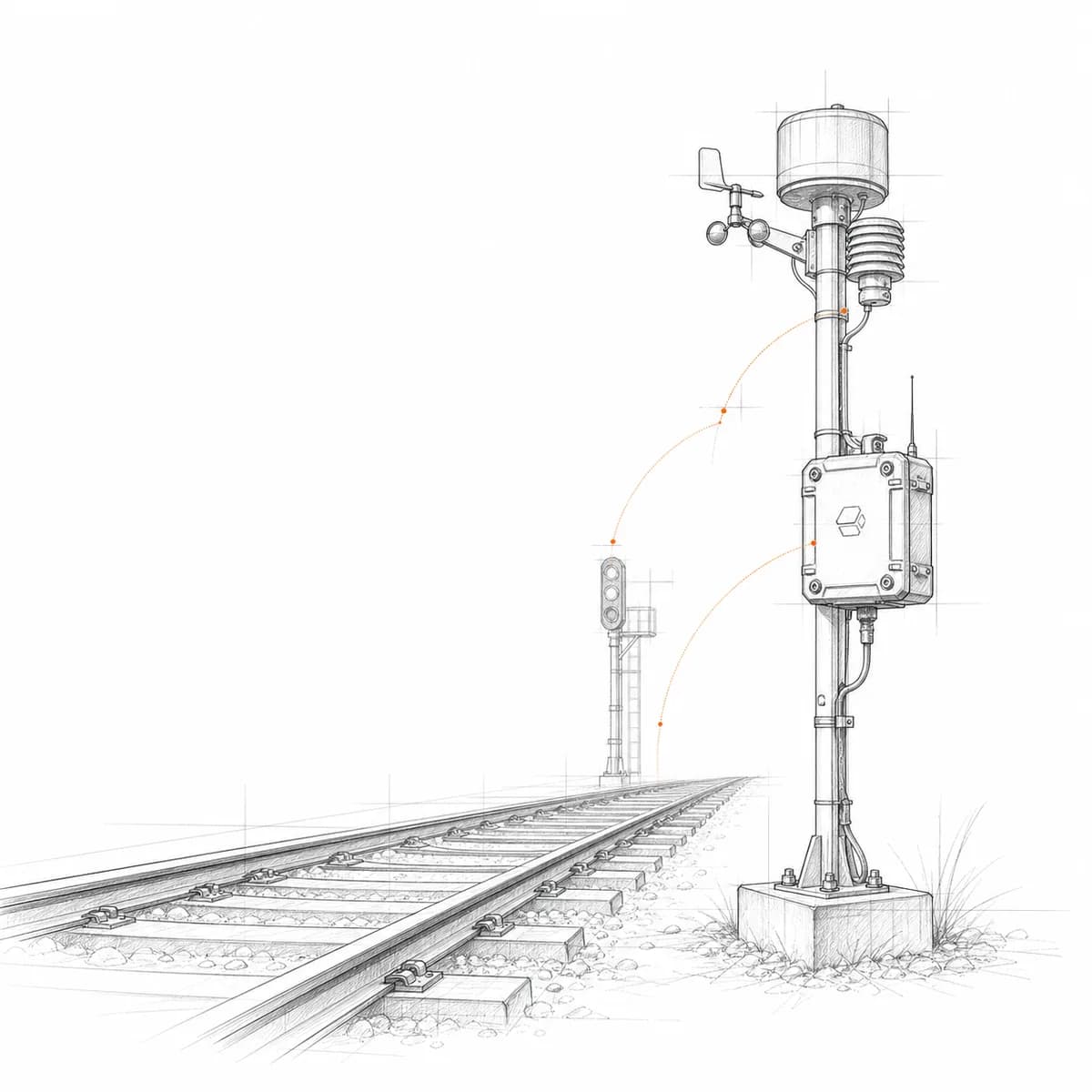
Our remote stations continuously measure weather, water level, temperature, and humidity, then route abnormal changes to the responsible team in under 2 minutes. Solar-powered and running at −40°C since 2019, they replace phoned-in reports with readings you can act on.
- 9+
- railway stations
- 99.5%
- railway-station uptime
- 1,000 km
- of line covered
- 75
- alarm rules
- <2 min
- alert delivery
Railway weather and flood stations since 2019, groundwater well monitoring since 2021 — these numbers come from systems operating in the field today.
What we monitor
One platform, many measurements.
We match the right sensor to each parameter and bring every reading onto one dashboard on the Beelog telemetry platform (tz.beelog.tech).
Weather
Real-time weather conditions along rail and road lines, giving dispatchers data to act on before anything moves.
Flood and water level
Track water levels near rivers, bridges, and embankments, with early warning of dangerous rises.
Temperature and humidity
Monitor conditions in warehouses, buildings, and equipment rooms, with alerts when values leave the normal range.
Groundwater
Water level in groundwater wells, measured continuously and recorded without anyone driving out to read it.
Infrastructure
Power, connectivity, and equipment state at remote sites, so a failing site is known before it goes dark.
Custom measurements
Nearly any industrial sensor that speaks RS485/Modbus can be connected to a station and integrated into the platform.
The field station
Built to survive a Mongolian winter.
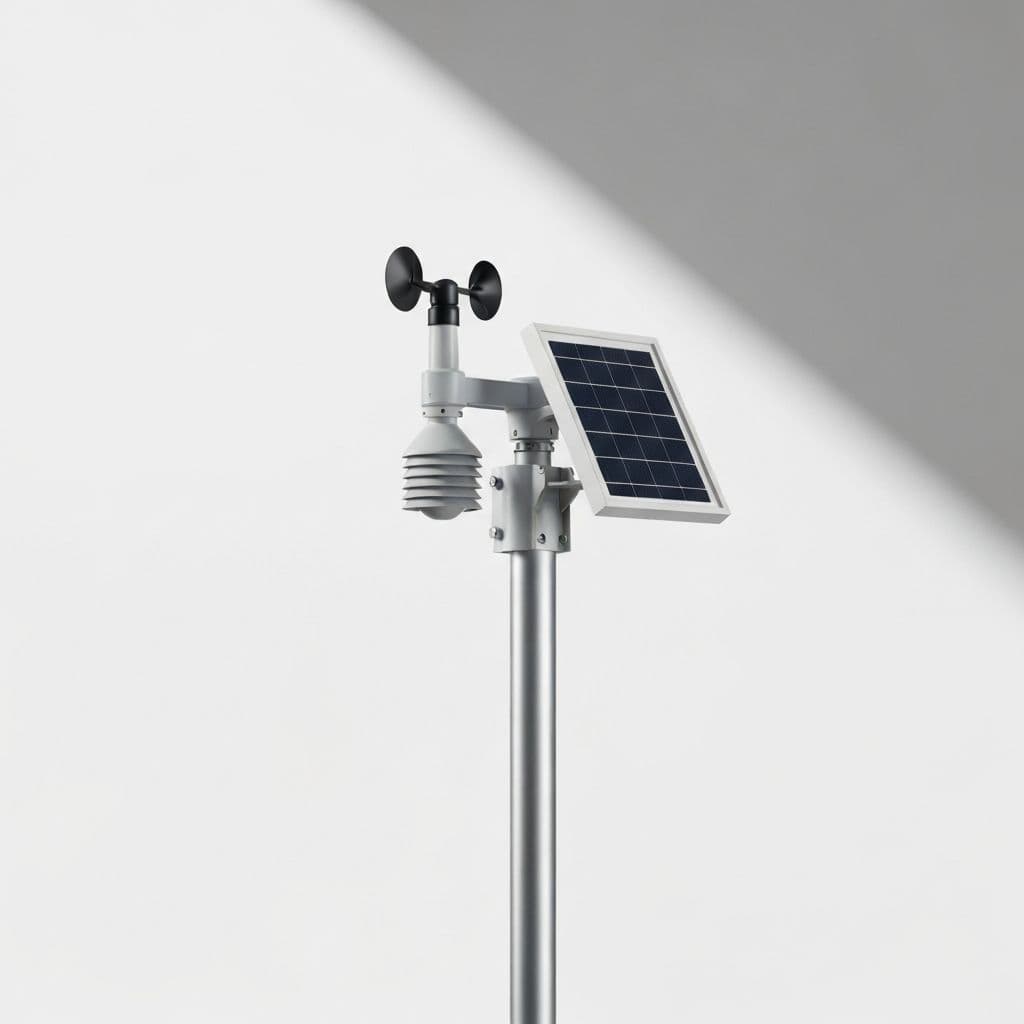
Designed for years of operation where there is no grid power and no fixed internet.
Station anatomy
Each step lights one subsystem of the station: power, cold, connectivity, buffer, lightning protection, remote maintenance.
Data and alerts
Every alarm rule ends at someone's phone.
Data is only useful when it reaches the person on duty in time.
Alert path
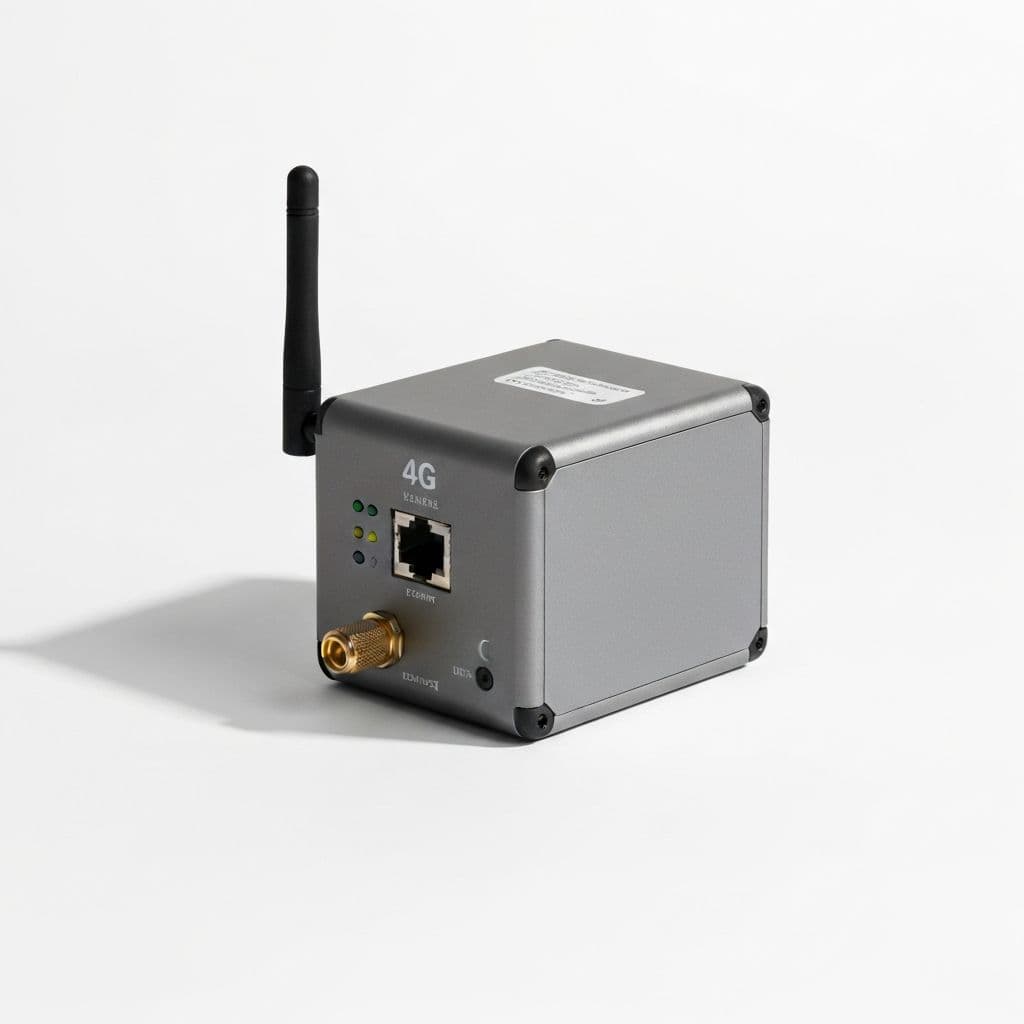
How a reading travels from the station into the platform, through the rules, and onto the phone of the person on duty.
Who it is for
For operations where missing data creates risk.
Rail and road infrastructure
Dispatchers see weather and flood conditions along the line before anything moves, so safety decisions rest on data.
Mining environmental teams
Groundwater levels are monitored continuously and arrive as report-ready data. No missed readings, nothing filled in by hand.
Agriculture
Remote weather and water conditions for cropland and pasture, so seasonal decisions rest on data.
Research
Long, uninterrupted measurement series. If the link drops, the local buffer keeps the record intact.
Deployments
Two deployments you can check.
01
Railway weather and flood stations
Since 2019, 9+ stations across 1,000 km of line have run at 99.5% uptime. 75 alarm rules send an SMS to the rail operator and a message to the duty Telegram channel automatically.
02
Groundwater well monitoring
Well water levels have been measured continuously since 2021. The readings go into environmental reporting without a break in the record.
Tell us what you need to monitor.
Describe where, what, and how often you need to measure. We will propose the station build and the alarm rules.