Skip to content
Beelog Tech

We bridge technology and business.

We build connected products that solve business problems, and keep them running.

Beelog Tech designs the electronics, firmware, and cloud software of a connected product, then installs it and keeps it running. Your team stays focused on business results; we are accountable for the engineering and the operation.

  1. 01

    Device

    Sensors · controller · firmware

  2. 02

    Connectivity

    4G · Wi-Fi · MQTT

  3. 03

    Cloud

    Collect · rules · alerts

  4. 04

    Dashboard

    Web · app · reports

  5. 05

    Business

    Decisions · revenue · control

2017
operating since
350+
prototypes developed
70+
devices and systems delivered
99.5%
railway-station uptime
46,000+
transactions on the platform

Hardware, firmware, cloud, and support under one team.

What we solve

Five problems we are hired to solve.

Turn an idea into a product

We check the concept first, then build prototypes, test them, and prepare the product for manufacturing.

Connect existing equipment

Controllers, sensors, and payment systems put an existing machine's data on a dashboard you can watch.

Automate manual operations

Repetitive work drops away, reports generate themselves, and scattered equipment is managed remotely.

Build without an R&D team

Use Beelog Tech as your engineering and product-development department.

Maintain deployed technology

Installation, monitoring, updates, repair, and technical support — after launch, not just before.

Services

Five service groups, one team.

The same engineers carry all five, so nothing has to be explained again at each handover.

01

Research and strategy

Requirements, feasibility, and architecture defined first.

02

Hardware development

Circuits, PCB, and enclosure — built in-house up to a working prototype.

03

Firmware and connectivity

ESP32 to Linux, with secure OTA updates.

04

Software and cloud

Dashboards, APIs, and apps — telemetry and reports in one place.

05

Deployment and support

We install it, tune it, then keep up preventive maintenance and upgrades.

Featured projects

Systems running today, with the numbers to show for it.

Each of these began as a problem someone had to solve, and none of them ended at handover.

See all projects
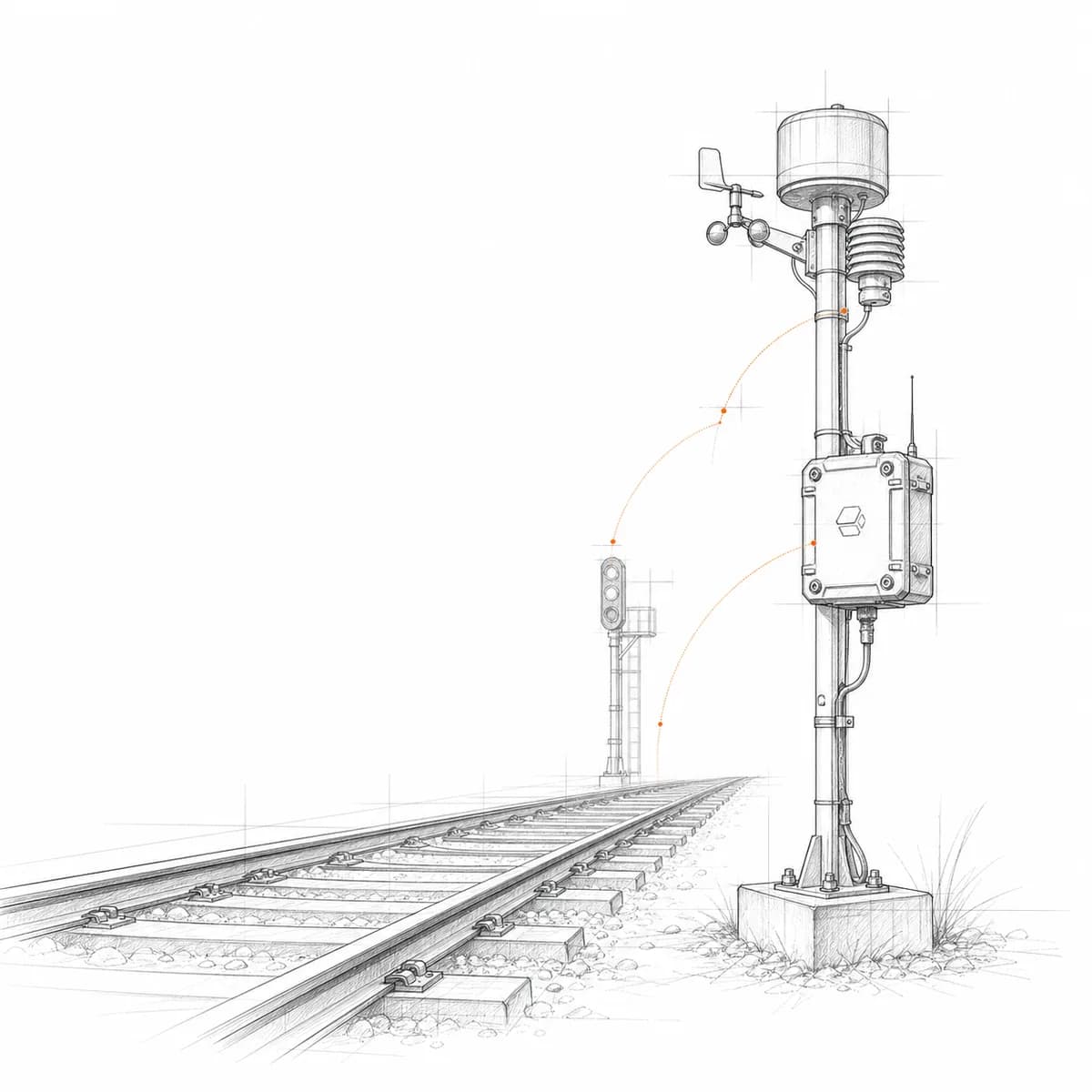
Engineering sketch of a trackside weather station — anemometer, sensors, controller enclosure, and signal uplink

Infrastructure monitoring

Railway weather and flood monitoring stations

9+ autonomous stations along 1,000 km of railway measure dangerous weather continuously and alert duty staff in under 2 minutes.

9+

monitoring stations

99.5%

railway-station uptime

<2

minutes to alert delivery

View case study

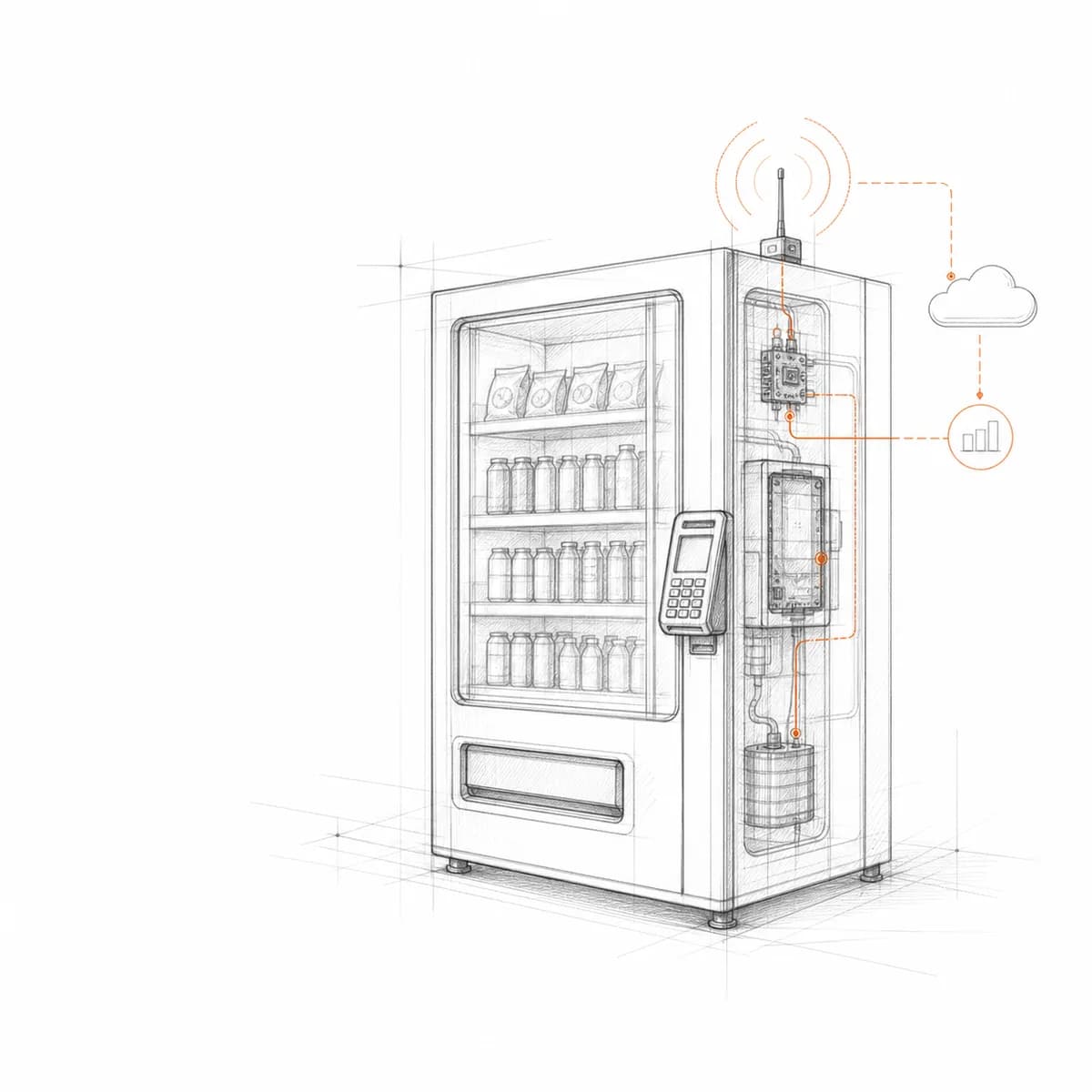
Engineering sketch of a connected vending machine — payment terminal, VendCore controller, cellular uplink, and cloud

Smart vending

BEEV smart vending platform

A cashless vending platform built on VendCore controllers and VendCloud SaaS — 32 machines, 46,000+ transactions, QPay payments, and automatic eBarimt.

32

vending machines

46,000+

transactions

6

kiosk languages

View case study

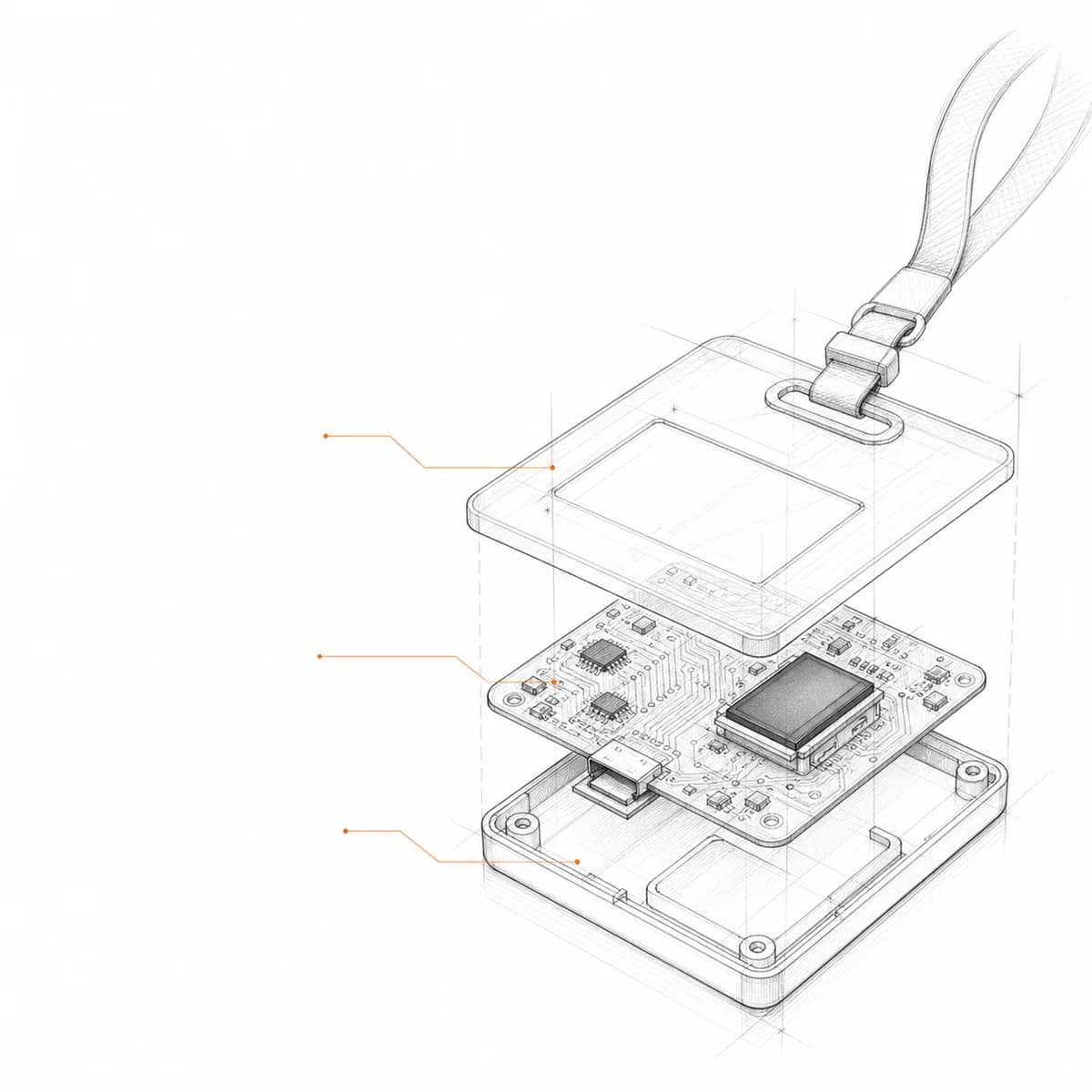
Exploded engineering sketch of an electronic badge — enclosure, printed circuit board, and lanyard

Electronics production

BlackCat Badge: 418 electronic badges for MNCERT CC

A small-batch production project: 418 custom electronic badges for MNCERT CC, carried from design through manufacturing to delivery by one team.

418

badges delivered

MNCERT CC

client

View case study

Development process

Six steps.

  1. 01

    Discover

    Understand the customer, business problem, environment, and requirements.

  2. 02

    Validate

    Research feasibility, risks, cost, timeline, and product direction.

  3. 03

    Prototype

    Build and test hardware, firmware, interface, and connectivity.

  4. 04

    Engineer

    Improve reliability, security, manufacturability, and maintainability.

  5. 05

    Deploy

    Install, configure, train users, and launch the system.

  6. 06

    Support and improve

    Monitor performance, release updates, repair equipment, and develop future versions.

Why Beelog Tech

A partner, not a contractor.

Hardware to cloud, one owner

Electronics, firmware, cloud, and apps come from the same engineers on one architecture. When something breaks, there is no one else to call.

Deployment experience

Our systems have run through Mongolian winters on a railway, at remote wells, and in shops since 2019.

Designed for Mongolian conditions

−40°C, solar power, unstable networks — proven in the field, not the lab.

In-house prototyping

We draw the PCB and write the firmware ourselves, so the road from idea to a working prototype is short.

We don't stop at version one

After launch we watch the system, ship updates, and start work on the next version.

Business-focused decisions

Technology choices weighed by cost, maintenance, and return — not novelty.

We stay after the launch.

A connected product needs looking after. We install it, watch it, repair most faults remotely, and keep spare parts on the shelf.

Contact

Tell us what needs to work.

Describe what you have, what it should do, and by when. We reply within 2 working days with whether it is feasible, the main risks, and the next step.

Photos, diagrams, or a spec document (optional)